Utah’s national parks - Arches, Bryce Canyon, Canyonlands, Capitol Reef, and Zion - are stunning year-round. But the best time to visit depends on your activities and preferences. Here’s a quick breakdown:
Spring (March-May): Mild temperatures, fewer crowds, perfect for hiking and photography. Book lodging early.
Summer (June-August): Peak season with intense heat and afternoon storms. Plan activities for early mornings or evenings.
Fall (September-November): Cool weather, vibrant foliage, and manageable crowds, especially midweek.
Winter (December-February): Quiet trails, snow-covered landscapes, and budget-friendly rates. Watch for road closures.
Quick Comparison Table
Each season offers unique experiences, so plan based on your interests and pack accordingly!
Weather and Visitor Patterns by Season
Spring Conditions (March-May)
Spring offers pleasant temperatures and fewer visitors, making it a great time for hiking and capturing photos. Be prepared for occasional rain showers, and secure your lodging in advance.
Summer Conditions (June-August)
Summer is the busiest time of the year, with large crowds and hot weather. Afternoon thunderstorms and potential flash floods can occur, so stay cautious and plan accordingly.
Fall Conditions (September-November)
Fall brings cooler temperatures and manageable crowd levels. October is especially popular for its vibrant foliage, and weekends can get busy.
Winter Conditions (December-February)
Winter showcases snow-covered scenery, smaller crowds, and incredible stargazing opportunities. However, some roads and facilities may be closed, so pack warm clothing and plan ahead.
Next, we'll explore seasonal highlights for each park.
The Ultimate UTAH National Parks Road Trip
Season-by-Season Details for Each Park
Below, we break down what each season brings to the parks.
Arches Through the Seasons

Spring is ideal for hiking to Delicate Arch and capturing golden-hour photos, with pleasant temperatures making outdoor activities enjoyable. Summer, however, can be scorching, often exceeding 100°F. If you're visiting during this time, plan hikes at sunrise or sunset and carry plenty of water [1]. In fall, cooler weather sets the stage for longer hikes and scenic drives. Winter offers sunny days and crisp, clear skies, but nighttime temperatures can drop into the teens, creating a peaceful, snow-dusted landscape [1].
With elevations ranging from 6,600 to 9,100 feet, Bryce Canyon experiences distinct seasonal changes. Spring reveals snow-dusted hoodoos and blooming wildflowers, as popular trails like Navajo Loop and Queens Garden reopen. Summer remains cooler compared to other Utah parks, making early morning hikes the best time to explore the amphitheater's hoodoo formations. Fall is marked by golden aspen leaves contrasting with the red and orange rocks. Winter transforms the park into a snowy wonderland, with crisp sunrises and sunsets highlighting the dramatic landscape.
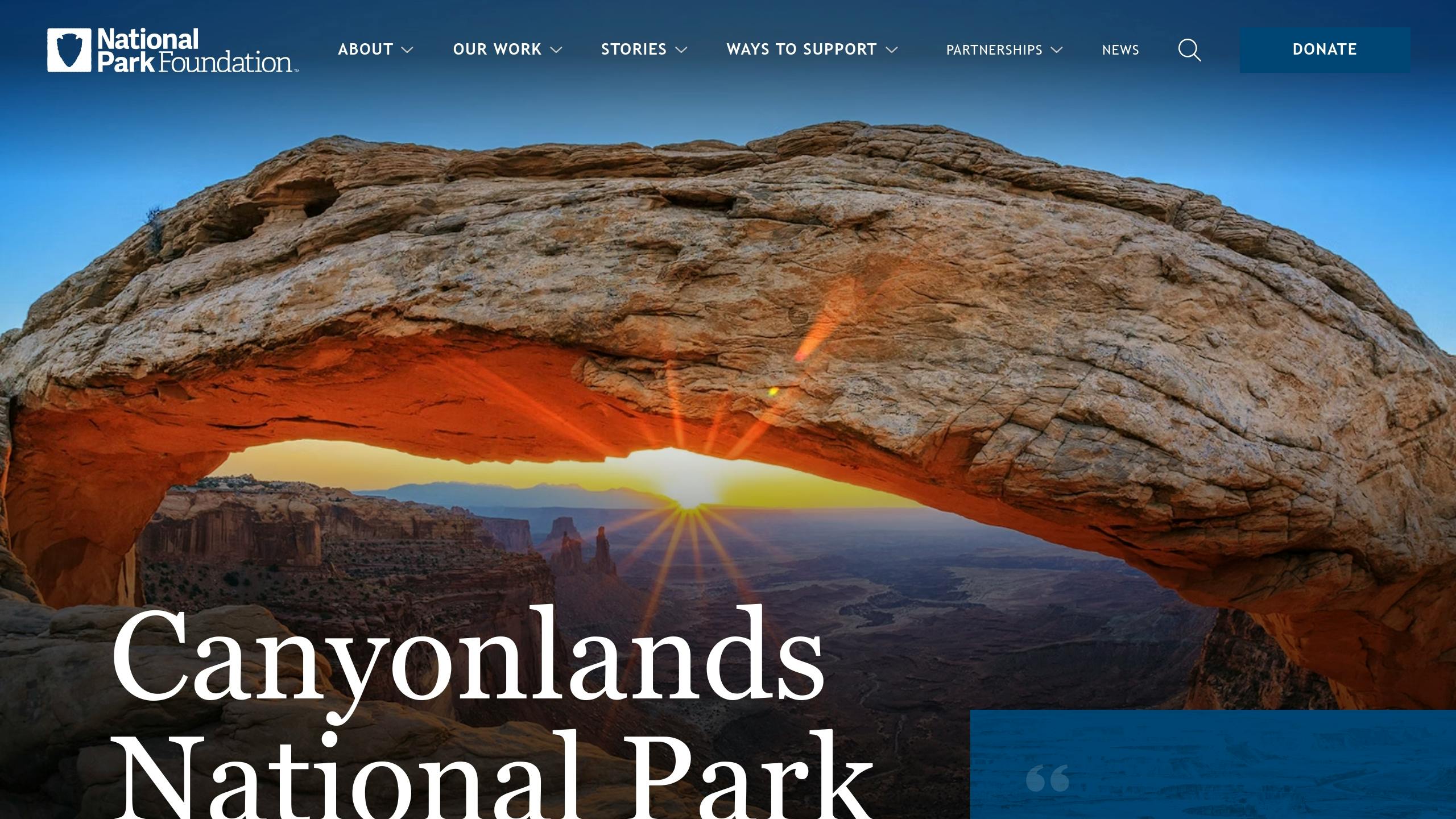
Spring is perfect for hiking and backcountry adventures in Canyonlands, with Mesa Arch at sunrise being a favorite spot for photographers. Summer's heat can be intense, so it's best to visit viewpoints early in the morning or during the evening for more comfortable conditions. In fall, mild weather and clear skies make it a great time for scenic drives and exploring areas like The Needles. Winter days are sunny but cold, and while some backcountry roads might close after storms, the quieter atmosphere and accessible overlooks provide a peaceful experience [1].
Spring and early fall are the best times to visit Capitol Reef, with moderate temperatures ideal for hiking and exploring its unique geological features. Summer brings intense heat, so narrow canyon hikes should be done in the morning. Winter offers quiet trails and fewer visitors, though some dirt roads and services may be unavailable after storms [1].
Zion Through the Seasons
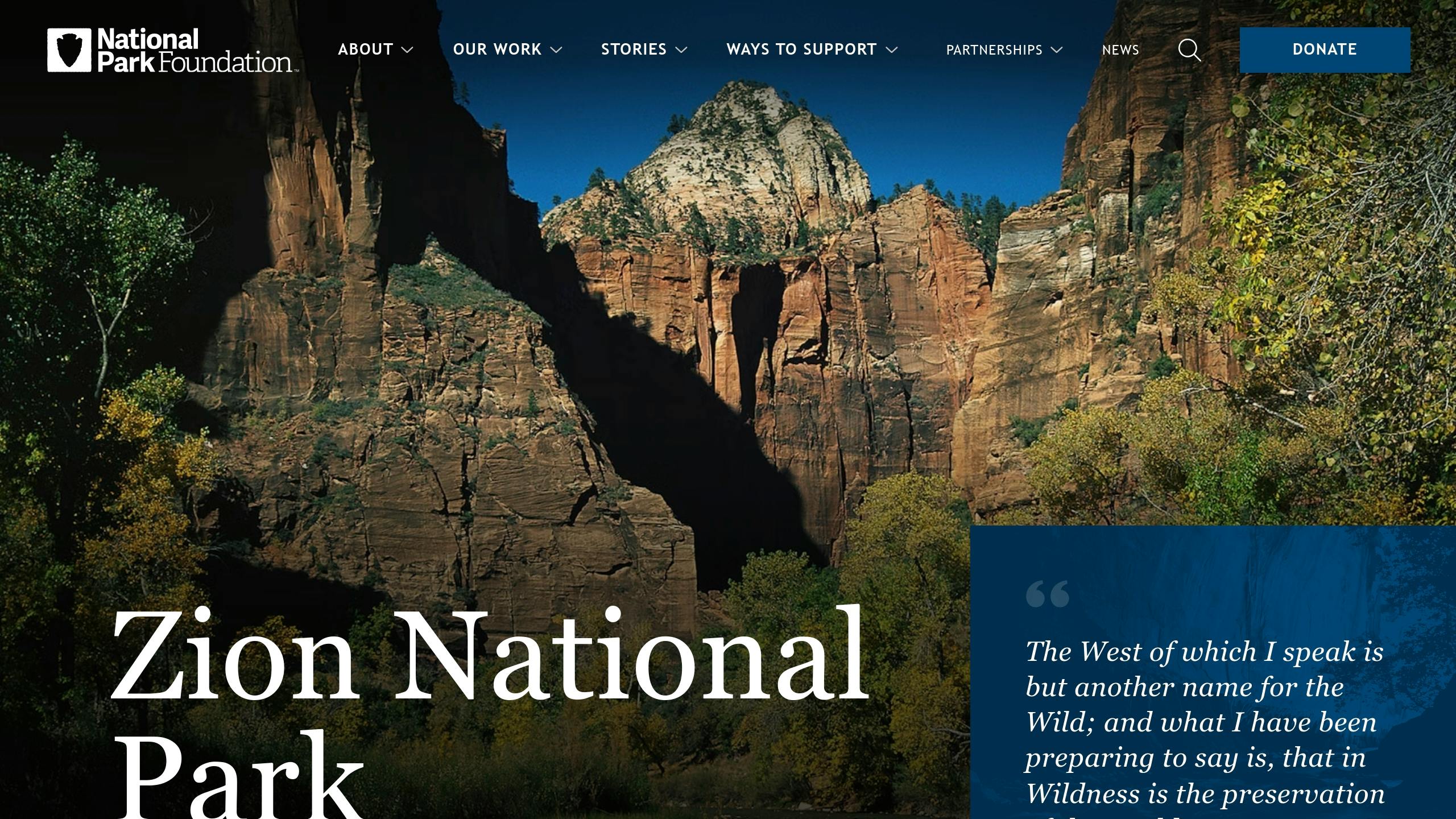
Spring in Zion brings mild weather and blooming wildflowers, making popular trails like Angel's Landing and The Narrows especially inviting. Summer temperatures can exceed 100°F, so early morning hikes to spots like The Watchman Trail or Emerald Pools are recommended. Afternoon storms can create stunning waterfalls but also increase the risk of flash floods [1]. Fall offers moderate temperatures and vibrant foliage at higher elevations, with trails like Riverside Walk and Observation Point providing great hiking conditions. Winter temperatures range from 40°F to 50°F, with fewer visitors and frosty mornings adding a serene charm to the park [1].
Planning Tips for Each Season
Use these tips for packing, park access, and safety to make the most of your visit, no matter the time of year.
What to Pack by Season
Make sure your gear is ready to go before your trip. For example, break in hiking boots ahead of time to avoid discomfort. Here’s a quick checklist to guide your packing:
Layering essentials: A moisture-wicking base layer, an insulating midlayer, and a waterproof outer shell.
Seasonal extras:
Summer: Sun hat, sunscreen.
Winter: Insulated boots, a heavy coat.
Navigation tools: Map, compass, or GPS.
Emergency items: First-aid kit, whistle, space blanket, external battery.
Park Services and Access
Before heading out, check the park’s seasonal schedules and road closures. This will help you avoid surprises and plan your trip better.
Safety Guidelines by Season
"If you are from lower elevations, take your time when hiking. It is much harder to hike in higher elevations. If you are around for a few days, ease yourself into hiking by starting with easier hikes."
Drink plenty of water - at least 16 oz per hour - and start your hikes early to avoid mid-day heat and afternoon storms [4].
Stay updated on weather and road conditions, as storms can lead to sudden closures [1].
Dress in layers to handle temperature changes, and always carry emergency supplies.
Use navigation tools and be prepared to rely on yourself, especially on remote trails.
"People should plan to be as self-sufficient as possible. Be prepared, don't take additional risks, and practice good trail etiquette."
With the right gear, preparation, and awareness, you’ll be set to enjoy Utah’s parks any time of year.
Best Times for Different Activities
Utah's national parks offer incredible experiences year-round, but certain activities are better suited to specific seasons. Here's a quick guide to help you plan:
Pair these seasonal recommendations with packing tips and safety advice to make the most of your visit.
Conclusion
Spring (April–June) and fall (September–October) bring mild weather and colorful landscapes but also attract large crowds. Winter (November–March) offers quiet trails, opportunities for snow sports, and fewer visitors. Summer (June–August) comes with intense heat and monsoon storms, so plan outdoor activities for early morning or late evening to stay comfortable [1][2].
Match your favorite activities - whether it's hiking, stargazing, or skiing - to the seasonal conditions and park elevations for the best experience. Check the Season-by-Season Details and Planning Tips sections for advice on gear, accessibility, and safety [1][2].
FAQs
What gear should I pack for hiking in Utah's national parks during each season?
When hiking in Utah's national parks, it's important to pack wisely for each season. Year-round essentials include plenty of water, high-energy snacks, a first-aid kit, insect repellent, and sun protection like sunscreen, sunglasses, and a wide-brimmed hat. Sturdy, closed-toe hiking boots are a must, and a headlamp or flashlight can be helpful for early morning or late evening hikes.
For spring and fall, wear layers made of moisture-wicking fabrics to adapt to fluctuating temperatures. A lightweight rain jacket can also be useful for unexpected showers. In summer, focus on lightweight, breathable clothing and bring extra water to stay hydrated in the heat. For winter hiking, dress warmly in insulated layers, and pack micro-spikes or traction devices to navigate icy trails safely.
Don’t forget navigation tools like a map or GPS, and consider bringing a camera to capture the stunning landscapes!
What are the main weather differences between summer and winter in Utah's national parks, and how can I prepare for them?
Utah's national parks experience dramatic weather shifts between summer and winter. Summer (June–August) often brings intense heat, with daytime temperatures exceeding 100°F in parks like Zion and Arches. Afternoon thunderstorms and the risk of flash floods are common, especially in slot canyons. Winter (November–March), on the other hand, is much colder, with nighttime temperatures dropping to the teens or lower in areas like Canyonlands. Snow and ice may also cause road closures, particularly at higher elevations.
To prepare, plan summer visits for early mornings or evenings to avoid peak heat, and bring plenty of water, sunscreen, and protective clothing. In winter, dress in layers for the cold, check road conditions in advance, and be aware that some park facilities may have limited hours or closures.
What seasonal events or activities should I plan for when visiting Utah's national parks?
Utah's national parks offer unique experiences throughout the year, making every season special. Spring is perfect for hiking in Zion National Park, with mild temperatures and vibrant wildflowers. Bryce Canyon's hoodoos look stunning surrounded by blooming wildflowers during this season. Summer is ideal for early morning hikes in Zion to beat the heat, while sunsets cast golden hues on the canyon walls. Fall brings breathtaking foliage, especially in Bryce Canyon, where aspen trees turn brilliant shades of gold and orange. Winter transforms Bryce Canyon into a magical winter wonderland with snow-dusted hoodoos, offering a serene and unique landscape. Each season brings its own charm, so plan your visit to match the activities and scenery you most want to enjoy!