Want to make the most of 48 hours in Moab? Here's a quick guide to exploring the stunning landscapes of Arches and Canyonlands National Parks, plus enjoying Moab's vibrant town life.
Key Highlights:
Day 1:
Morning: Watch the sunrise at Mesa Arch in Canyonlands.
Afternoon: Explore Island in the Sky viewpoints like Grand View Point and Green River Overlook.
Evening: Dine in downtown Moab, then enjoy stargazing or live music.
Day 2:
Morning: Hike to Delicate Arch at sunrise in Arches National Park.
Afternoon: Visit iconic spots like Landscape Arch, Double Arch, and Balanced Rock.
Optional Activities: Off-roading at Hell's Revenge Trail or rafting on the Colorado River.
Essentials:
Park Fees: $30 per vehicle for a 7-day pass or $80 for an annual pass.
Timed Entry: Arches requires reservations from April to October (before 7 AM entry is free).
Gear: Bring 1 gallon of water per person daily, sunscreen, sturdy shoes, and a hat.
This itinerary blends breathtaking sunrises, epic hikes, and flexible afternoon adventures for an unforgettable trip to Moab.
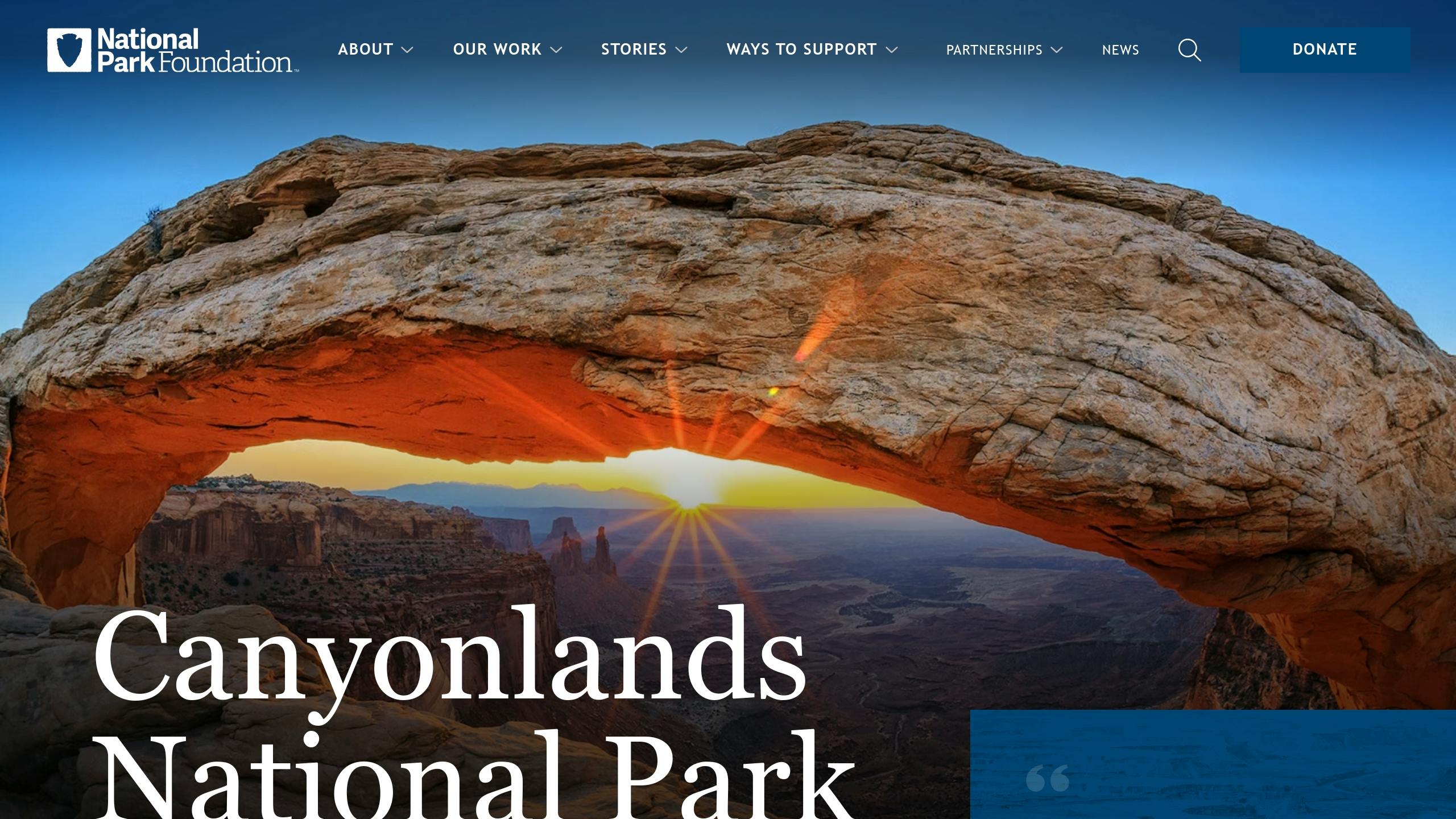
Morning at Mesa Arch
Kick off your day with an early visit to Mesa Arch, one of Canyonlands National Park’s most iconic spots. The short, easy trail makes it accessible for all, and the reward? A breathtaking sunrise that lights up the arch and surrounding landscape in warm, golden hues. It’s a photographer’s dream and the perfect way to start your adventure.
Island in the Sky Must-See Spots
After soaking in the morning serenity, head to the Island in the Sky district, where some of the park’s best views await. Make time for these standout viewpoints:
Grand View Point
White Rim Overlook
Buck Canyon Overlook
Green River Overlook
For those with a sense of adventure and a 4WD vehicle, the Shafer Trail offers an unforgettable experience. This rugged route winds through dramatic switchbacks and descends into the canyon, eventually connecting to Potash Road and leading back toward Moab. The views along the way are nothing short of spectacular.
Moab Night Activities
Wrap up your day back in Moab, where the town’s lively yet laid-back vibe takes center stage. For dinner, you’ve got some stellar options:
Desert Bistro: A local gem serving elevated southwestern dishes in a beautifully restored historic space.
Moab Brewery: A more casual spot on Main Street, known for its craft beers like the popular Dead Horse Amber Ale and a menu full of classic pub fare.
After dinner, the night’s still young! Choose from a variety of activities to end your day on a high note:
Sunset Hike: Take a leisurely walk to Corona Arch to catch the desert glowing in the evening light.
Stargazing: Check with the visitor center for ranger-led stargazing programs. The dark skies around Moab are perfect for spotting constellations.
Live Music: Enjoy performances by local artists at venues like Moab’s Backyard Theater - a cozy spot for music under the stars.
With a mix of stunning landscapes and a vibrant town atmosphere, Day 1 sets the stage for an unforgettable journey.
MOAB, UTAH Two Day WEEKEND TRAVEL GUIDE | BEST THINGS to DO, EAT & SEE
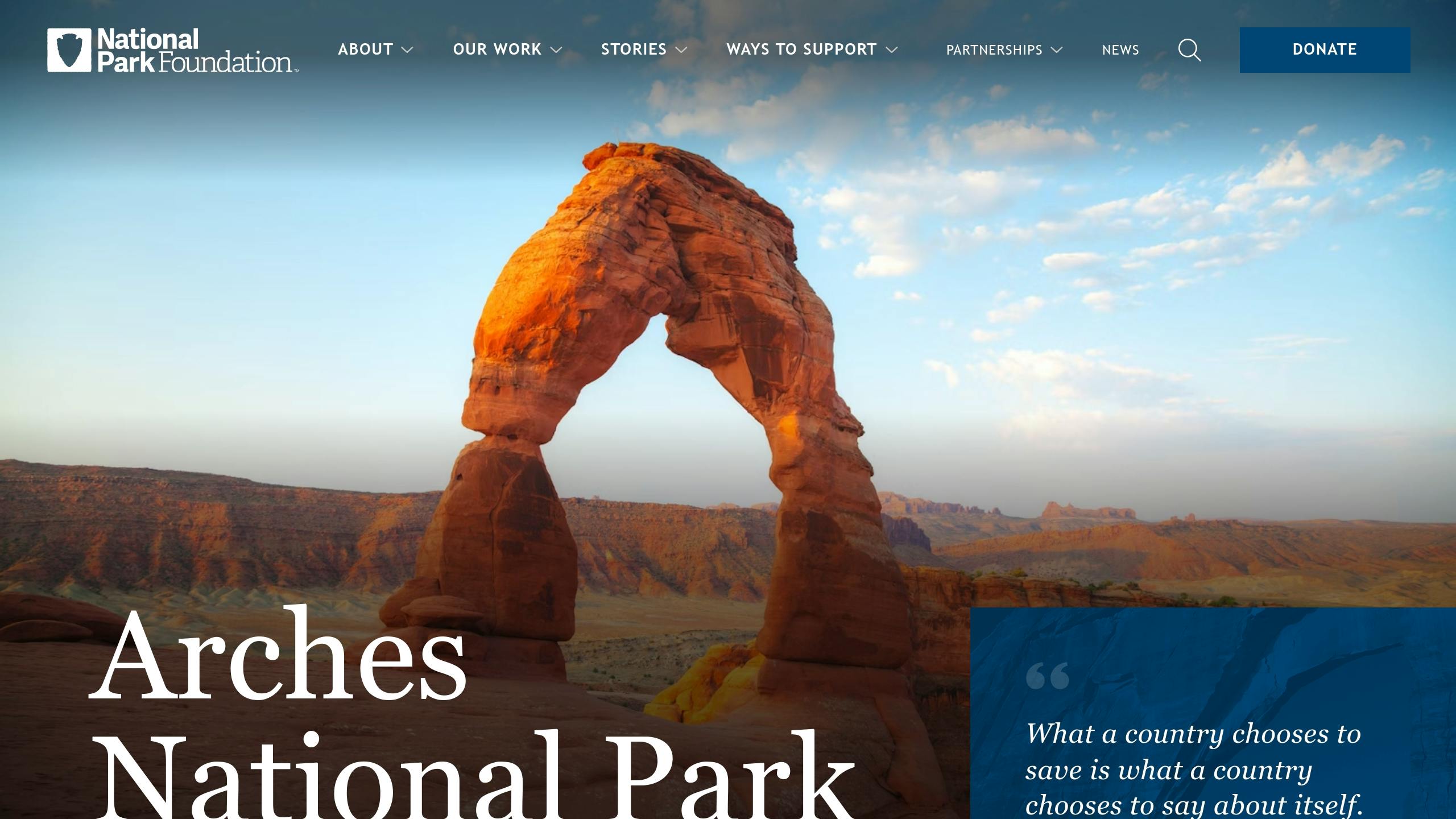
After a breathtaking first day, Day 2 brings a chance to dive deeper into the stunning red rock landscapes that make Moab so iconic.
Delicate Arch at Sunrise
Kick off your day with a sunrise hike to the famous Delicate Arch. This 3-mile round-trip trail starts at Wolfe Ranch and includes a 480-foot elevation gain. Be prepared for steep slickrock sections, so sturdy footwear is a must.
Here’s what you’ll need for the hike:
A headlamp (for early morning light)
At least 1 liter of water per person
Layered clothing to stay warm in the cool morning air
Reliable hiking shoes
A camera and tripod to capture the stunning sunrise
Main Arches Trails and Sights
Next, head to the Devil's Garden trail system, home to the park’s highest concentration of natural arches. The first 1.6 miles, leading to Landscape Arch, is relatively flat and easy to navigate. Landscape Arch itself is a marvel - stretching 300 feet, it’s the longest natural arch in North America.
Other must-see spots include:
Double Arch: Two interconnected arches forming a dramatic window-like structure.
Windows Section: Features the North and South Windows alongside Turret Arch.
Balanced Rock: A massive boulder precariously perched on a narrow pedestal.
Sand Dune Arch: A shaded and cool spot, perfect for a midday break.
Heat Safety Tips:
Carry at least 1 gallon of water per person during the hottest parts of the day.
Reapply sunscreen (SPF 30 or higher) every two hours.
Wear light-colored, long-sleeved clothing to stay cool and protected.
Plan to finish any strenuous hikes by 10:00 AM.
Always check for flash flood warnings before entering washes or canyons.
Afternoon Options
After soaking in the park’s natural beauty, consider one of these exciting afternoon activities to round out your day:
Hell's Revenge Trail Off-Roading
Book a guided off-road tour (2-3 hours, $80-$150) and tackle thrilling obstacles like Hell's Gate and The Escalator. Along the way, enjoy incredible views of the La Sal Mountains.
Colorado River Rafting
Take to the water with one of these options:
Both trips are family-friendly and open to kids aged 5 and up.
Family Fun at Moab Giants Dinosaur Park
For a more relaxed option, visit Moab Giants Dinosaur Park. Explore life-sized dinosaur replicas and interactive exhibits that bring the prehistoric world to life.
No matter how you spend your afternoon, Day 2 promises a mix of adventure, natural beauty, and unforgettable memories.
Trip Planning Guide
Before you head out, make sure your permits are squared away and your gear is ready for an unforgettable Moab adventure.
Park Entry and Permits
Exploring Moab’s national parks requires entry passes and, in some cases, special permits. Starting in 2025, both Arches and Canyonlands National Parks charge $30 per vehicle for a 7-day pass. If you plan to visit multiple parks throughout the year, the America the Beautiful Annual Pass is a great deal at $80 - it grants access to all U.S. national parks for 12 months.
Important: Arches National Park uses a timed entry system from April through October. Here’s what you need to know:
Reserve your one-hour entry window on Recreation.gov up to three months ahead.
Arrive before 7:00 AM to enter without a reservation.
Check for next-day cancellations, which are released daily at 7:00 PM.
If you're planning activities like technical canyoneering in Arches or backcountry camping in Canyonlands, additional permits are required. Canyoneering permits can be picked up at the visitor center, while backcountry camping permits ($30 per trip) should be reserved on Recreation.gov as early as four months in advance.
Once your permits are sorted, it’s time to gear up for Moab’s desert terrain.
Desert Trip Checklist
Success in Moab’s rugged desert depends on being well-prepared. Here’s a breakdown of what you’ll need:
Water Needs:
Hydration is crucial. Bring at least 1 gallon of water per person per day for hiking. In summer, increase this to 1.5 gallons per person daily. Use insulated containers to keep water cool, and pack electrolyte supplements to stay balanced.
Essential Gear:
Vehicle Prep:
A regular car works fine for paved park roads.
For backcountry trails, a high-clearance 4WD vehicle is highly recommended.
Before heading out, check your fuel level, fluids, and tire pressure. Bring jumper cables and basic tools just in case.
Weather Awareness:
Monitor weather forecasts daily - desert storms can appear quickly.
Avoid slot canyons if there’s a chance of rain.
Plan intense hikes or activities for early mornings to beat the heat.
During thunderstorms, seek shelter immediately.
If temperatures climb above 100°F (38°C), consider rescheduling outdoor plans.
Trip Summary
This two-day adventure in Moab packs in visits to both Arches and Canyonlands National Parks. Arches, one of Utah's five national parks [1], is famed for its striking sandstone formations, while Canyonlands offers sweeping desert views that are nothing short of breathtaking. You'll catch unforgettable sunrises, sunsets, and have plenty of time for flexible afternoon activities during your stay.
Moab is ideally located between these parks, making it a fantastic base for exploring Utah's stunning landscapes. Its central position provides quick access to a variety of terrains and dramatic elevation shifts, perfect for a short yet action-packed visit.
Additional Information
To help plan your trip, check out these resources:
Moab is also part of a larger network of Utah’s protected lands, making it a perfect starting point for exploring the state’s incredible outdoor destinations via major highways.
FAQs
What is the best time of year to visit Moab for a 2-day adventure, considering weather and park conditions?
The ideal times for a 2-day trip to Moab are spring (March to May) and fall (September to November). These seasons bring mild weather, with daytime temperatures typically ranging from the 60s to 80s °F - just right for visiting outdoor spots like Arches National Park or tackling the area’s hiking trails.
In contrast, summer can be scorching, with temperatures often soaring past 100°F, which might make outdoor activities less enjoyable. Winter, on the other hand, offers cooler weather and a quieter atmosphere, but snow or ice can sometimes make certain trails or park areas harder to access. To make the most of your visit, aim for the shoulder seasons when the weather is more comfortable, and the crowds are smaller.
How do I reserve a timed entry for Arches National Park, and what are my options if I don’t have one?
To book a timed entry for Arches National Park, head over to Recreation.gov or download their mobile app. Reservations are usually needed during the park’s busiest months, from April to October, and you can secure your spot up to three months in advance. Make sure to check the available dates and times early, as spots tend to fill up fast.
Don’t have a reservation? No problem! You can still visit the park before 7:00 AM or after 4:00 PM, as timed entry isn’t required during these hours. Alternatively, take some time to explore other attractions or outdoor adventures in Moab while waiting for off-peak entry hours.
What’s the best way to explore both Arches and Canyonlands National Parks in just two days for first-time visitors to Moab?
To make the most of your two days in Moab, dedicate one day to exploring each national park. Start your adventure at Arches National Park on the first day. Arrive early to avoid the crowds and take advantage of the cooler morning temperatures. Be sure to visit highlights like Delicate Arch, Landscape Arch, and The Windows Section. Bring plenty of water, sunscreen, and snacks - temperatures can rise quickly, and you'll want to stay comfortable while exploring.
On your second day, shift your focus to Canyonlands National Park, specifically the Island in the Sky District. This area is home to stunning viewpoints such as Mesa Arch and Grand View Point. If you're feeling adventurous and have the time, consider taking a short hike or driving down Shafer Trail for a unique perspective. After a day of exploring, treat yourself to a meal at one of Moab's many local restaurants. Start your day with a hearty breakfast at a downtown café, or end it with a laid-back dinner at a casual spot in town.
For more detailed itineraries and tips, check out resources like the Utah Guide to help you plan a smooth and enjoyable trip to Moab!